
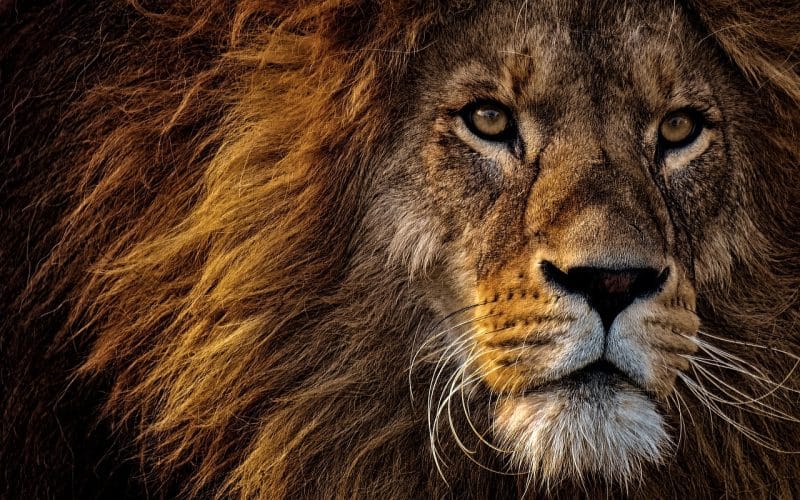
Some creatures can go weeks, months or even years without eating. From tardigrades to crocodiles, here is how they do it.
How is this even possible?
Metabolism is the key. Animals that can go a long time without food do one or more of three things: slow their metabolism dramatically (hibernation, torpor, cryptobiosis), store large reserves as fat before fasting (bears, penguins), or evolve bodies that cost almost nothing to run (parasites, spiders).
1. Tardigrade — 30 years
The famous ‘water bear’. Tardigrades enter cryptobiosis, replacing most of their internal water with a sugar called trehalose, which turns their cells into glassy preservation units. Specimens revived after 30 years in a frozen state have resumed life as if nothing happened.
2. Nile crocodile — 2 to 3 years
Cold-blooded, slow-moving when it needs to be, and able to shut down its digestion between big meals. A fully grown Nile crocodile can survive a drought by lying in a shrinking pool with no food for up to three years.
3. Pythons — 1 year
A ball python can comfortably skip meals for a year if conditions aren’t right. Their metabolism almost halts, and they lose only a few percent of body mass per month.
4. Grizzly bears — up to 7 months
Grizzlies pack on 20 kg of fat before winter. During hibernation their heart rate drops to 8 bpm and they recycle urea back into protein — producing essentially no waste and never leaving the den.
5. Emperor penguins — 115 days
Male emperors incubate the egg through Antarctic winter while the female hunts. They huddle for warmth, lose up to 45% of body mass, and don’t eat the entire time.
6. Camels — months
Not technically no food — they can graze lightly — but they can go without water for over a week and without substantial feeding for months, using the fat stored in their hump.
7. Galápagos tortoises — 1 year
Their slow metabolism and the water they store in their bladders explain how 19th-century sailors could keep them in ship holds without food or water for months.
8. Olm salamanders — 10 years
Blind European cave salamanders, they slow their metabolism so radically they can go a decade without a meal.
9. Humpback whales — 6 months
During breeding migration humpbacks lose a third of their body mass. They don’t feed from the time they leave Antarctic waters until they return.
10. Spiders — 1 to 2 years
Many spider species can live for over a year on a single large meal. Some tarantulas regularly go 6 months between feedings even in captivity.
11. Ladybirds — 9 months
Ladybirds overwinter in protected groups, dropping body temperature and metabolism to survive 9 months without eating.
12. Garden snails — 3 years
Snails seal themselves inside their shells with a mucus plug and enter estivation. One scientific case documented a snail re-emerging alive after 4 years.
FAQ
What is the longest an animal can survive without food?
Tardigrades hold the record — recoverable specimens have gone 30+ years in cryptobiosis.
Can humans do this?
No. A healthy adult can typically survive 30–60 days without food (depending on body fat and hydration) but will suffer organ damage well before that limit.
Final thoughts
Research moves on, prices change, new models and options launch every month. The right pick for you is the one that fits your constraints — budget, use case, climate, time commitment — not the one that scores highest on paper. We update this article at least every six months. If something here is out of date, email [email protected] and we will fix it quickly.
Keep reading
- Best Meat-Producing Sheep Breeds for Modern Farms

- 12 Slowest Animals in the World — Ranked by Top Speed
- 5 Critical Questions You Have to Answer Before You Build Your Website

Enjoyed this piece? Subscribe to our monthly newsletter for one essay like this per month. Or drop us a note.